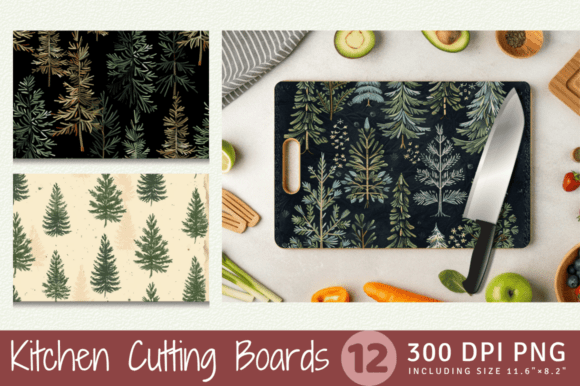
Pine Trees Embroidery Cutting Boards Sub
A Designer’s First Glance at Pine Trees Embroidery Cutting Boards Sub
When I first opened the Pine Trees Embroidery Cutting Boards Sub file, I was struck by its calm and inviting mood. The design feels like a quiet walk through a forest—serene, natural, and full of life. The layout is balanced, with a clear focus on the pine trees as the central element. It's not overly detailed, which makes it feel approachable for both beginners and seasoned embroiderers.
The theme is perfect for kitchen-themed projects or any handmade item that needs a touch of nature. I can already see this design working well on a custom embroidered tea towel or a personalized apron. It has a subtle charm that would appeal to cooking lovers and home decor enthusiasts alike.
Real-Life Embroidery Projects: Where This Design Shines
I imagine using Pine Trees Embroidery Cutting Boards Sub on a variety of items. For instance, if I were designing a custom embroidered tote bag for a small shop, this design could add a cozy, rustic feel that customers would love. It would also work beautifully on a baby onesie or a holiday-themed pillow cover, adding a gentle, natural touch without being too overwhelming.
This design has a versatility that makes it suitable for many embroidery applications. Whether it's a sweatshirt, cap, or even a decorative patch, the pine tree motif brings a sense of warmth and simplicity. I can also see it fitting well into Etsy listings or craft fair products where buyers are looking for unique, handmade items with a personal touch.
For commercial embroidery projects, this design could be used on branded merchandise such as aprons for a boutique kitchen store or as part of a collection of food-themed designs for print-on-demand sellers. Its clean lines and recognizable imagery make it a strong candidate for digital embroidery files that need to stand out while remaining timeless.
Where to Use This Design with Caution
While Pine Trees Embroidery Cutting Boards Sub is a great all-rounder, there are some situations where it might require extra attention. For example, if you're working with small hoop sizes, the design may lose some of its detail, especially in the finer parts of the pine needles or the background texture. Testing it on scrap fabric first is always a good idea to ensure it looks as intended.
On stretchy fabrics or thin materials, the design may not hold up as well unless you use the right stabilizer. Also, if you're planning to use it on dark-colored fabrics, checking the thread color contrast is essential. You don’t want the design to blend in instead of standing out.
Care should also be taken when placing this design on curved surfaces like caps or hats. The layout might not translate perfectly, so reviewing the stitch density and ensuring the design is centered properly is key. Additionally, if you plan to use it on items that will be washed frequently, reinforcing the stitching area with a good stabilizer will help maintain its quality over time.
Design Impact on Visual Appeal and Customer Perception
Embroidery isn't just about adding a pattern—it's about creating a visual story. Pine Trees Embroidery Cutting Boards Sub does exactly that. It adds a layer of personality to any product it's placed on, making it more appealing to potential buyers. Whether it's a handmade gift or a boutique product, this design elevates the finished product and gives it a sense of craftsmanship.
From a customer perspective, this design builds trust. It feels intentional and well-thought-out, which can enhance the perceived value of the product. When paired with high-quality stitching and proper placement, it contributes to a professional look that speaks to both the maker and the buyer.
For small business owners or Etsy sellers, using this design can help create brand consistency across different products. It's versatile enough to be used in multiple ways but still maintains a cohesive identity that customers can recognize and appreciate.
Practical Embroidery Designer Notes
If you're considering using Pine Trees Embroidery Cutting Boards Sub in your next project, here are a few practical tips to keep in mind:
- Test on Scrap Fabric: Always test the design on a sample piece of fabric before committing to a final product. This helps identify any issues with stitch density or thread visibility.
- Check Thread Color Contrast: Ensure that the thread colors used match the fabric background. A high-contrast thread can bring the design to life, while a low-contrast one might make it less visible.
- Review Stitch Density: If the design is too dense, it might cause puckering or strain on the fabric. Adjusting the stitch density based on the fabric type can prevent these issues.
- Confirm Hoop Size: Make sure the design fits within the hoop size you're using. If it doesn't, consider resizing or breaking it into smaller sections.
- Inspect Small Details: Look closely at the fine details, especially if they're going to be on a small item like a patch or a cap. These details can make or break the overall look.
- Use Proper Stabilizer: Especially on stretchy or thin fabrics, using a good stabilizer will help the design stay in place and look crisp after washing.
- Check Licensing: Before selling any finished items or digital products, confirm the licensing terms to avoid any legal issues down the line.
Pine Trees Embroidery Cutting Boards Sub is a solid choice for a wide range of embroidery projects. With thoughtful preparation and attention to detail, it can become a standout feature of any handmade product or commercial design asset. As an experienced designer, I find it to be a reliable and visually appealing option that deserves a place in any embroidery toolkit.